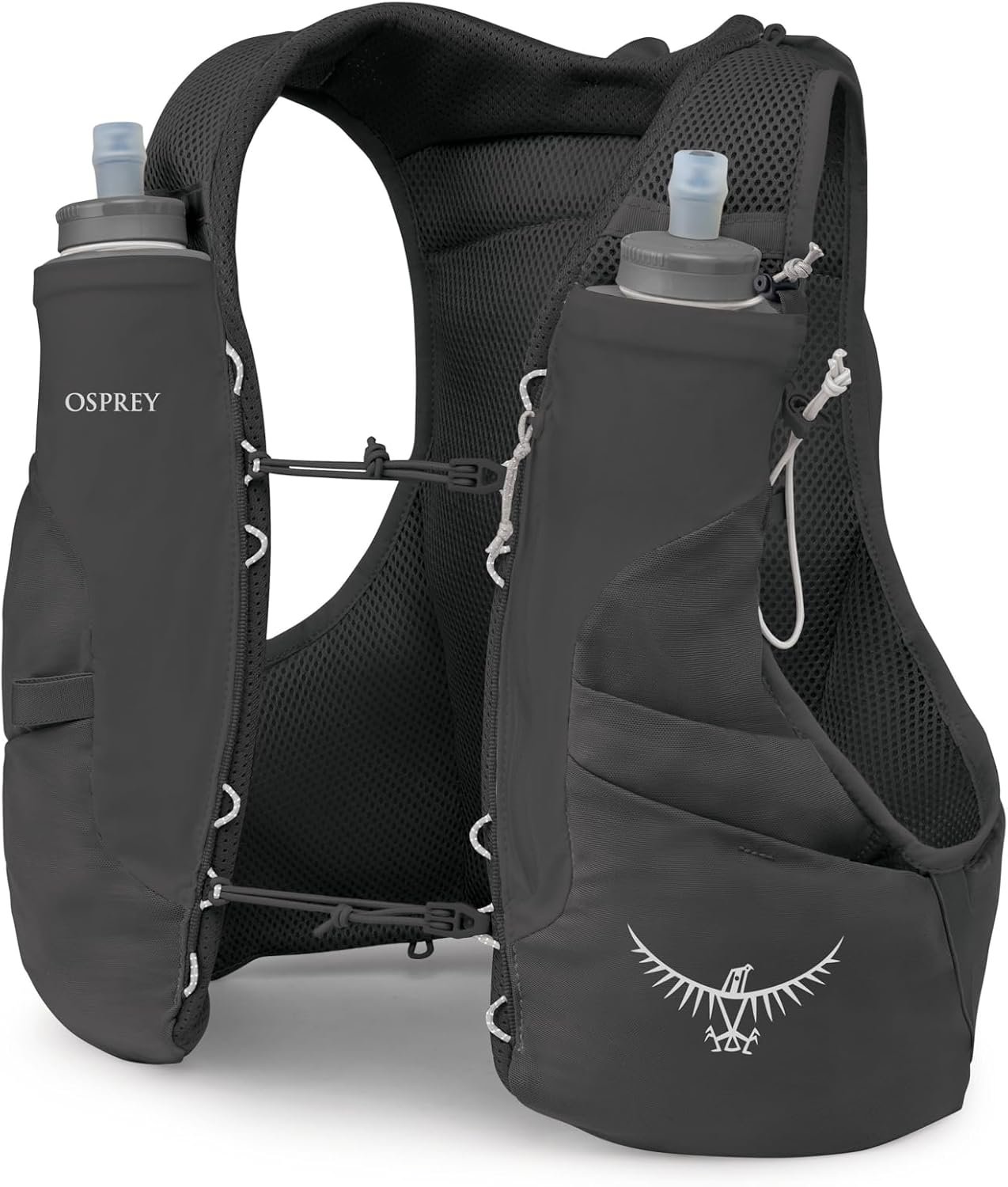
There’s a moment on every trail—usually right when the climb tilts up and your breath gets loud—when you realize hydration isn’t a “nice to have.” It’s pacing. It’s mood. It’s whether you keep your rhythm or start bargaining with the next switchback. I took this trail hydration vest on runs and hikes where I needed water close, gear organized, and zero excuses to stop moving.
First Impressions & Setup
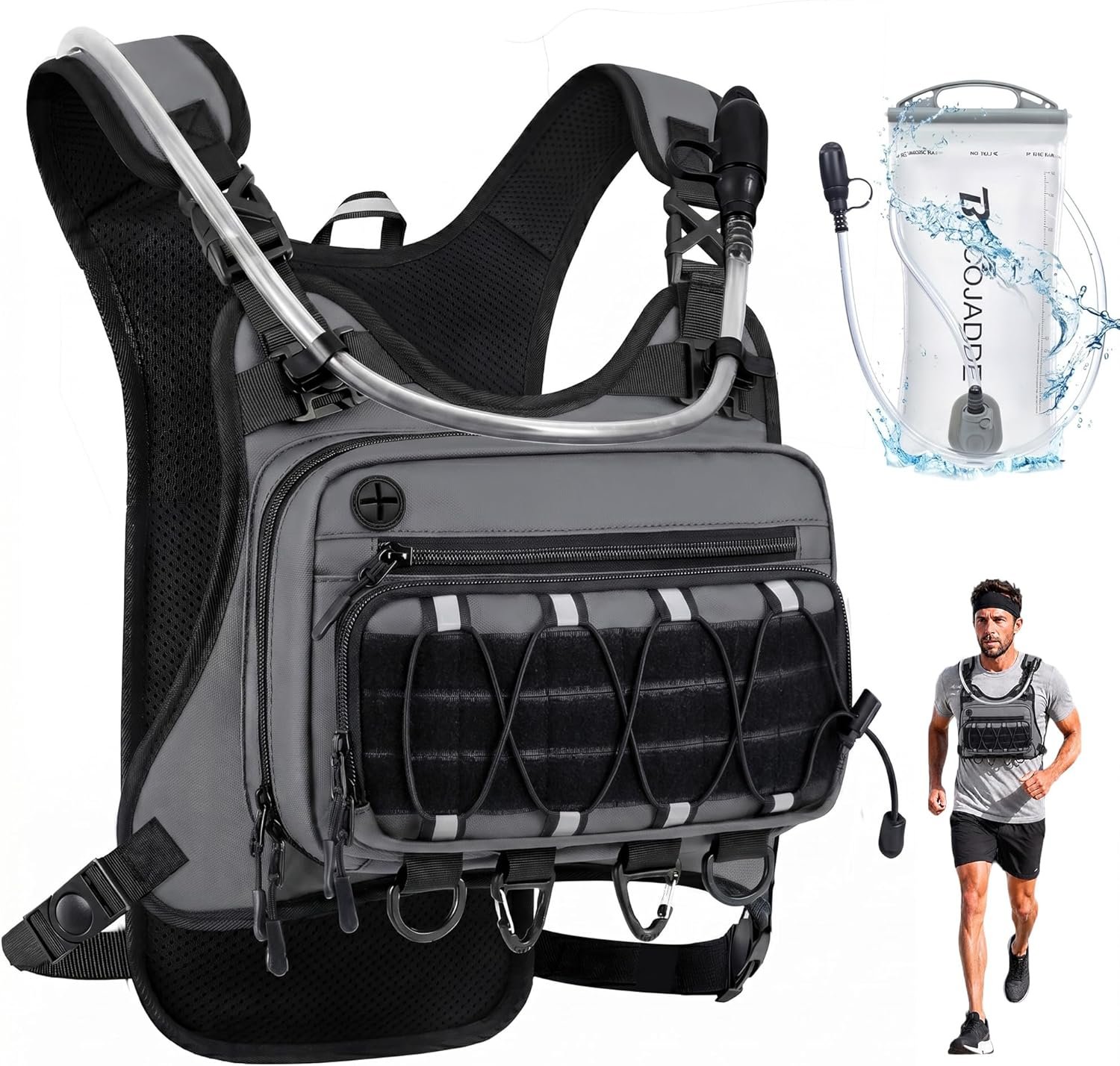
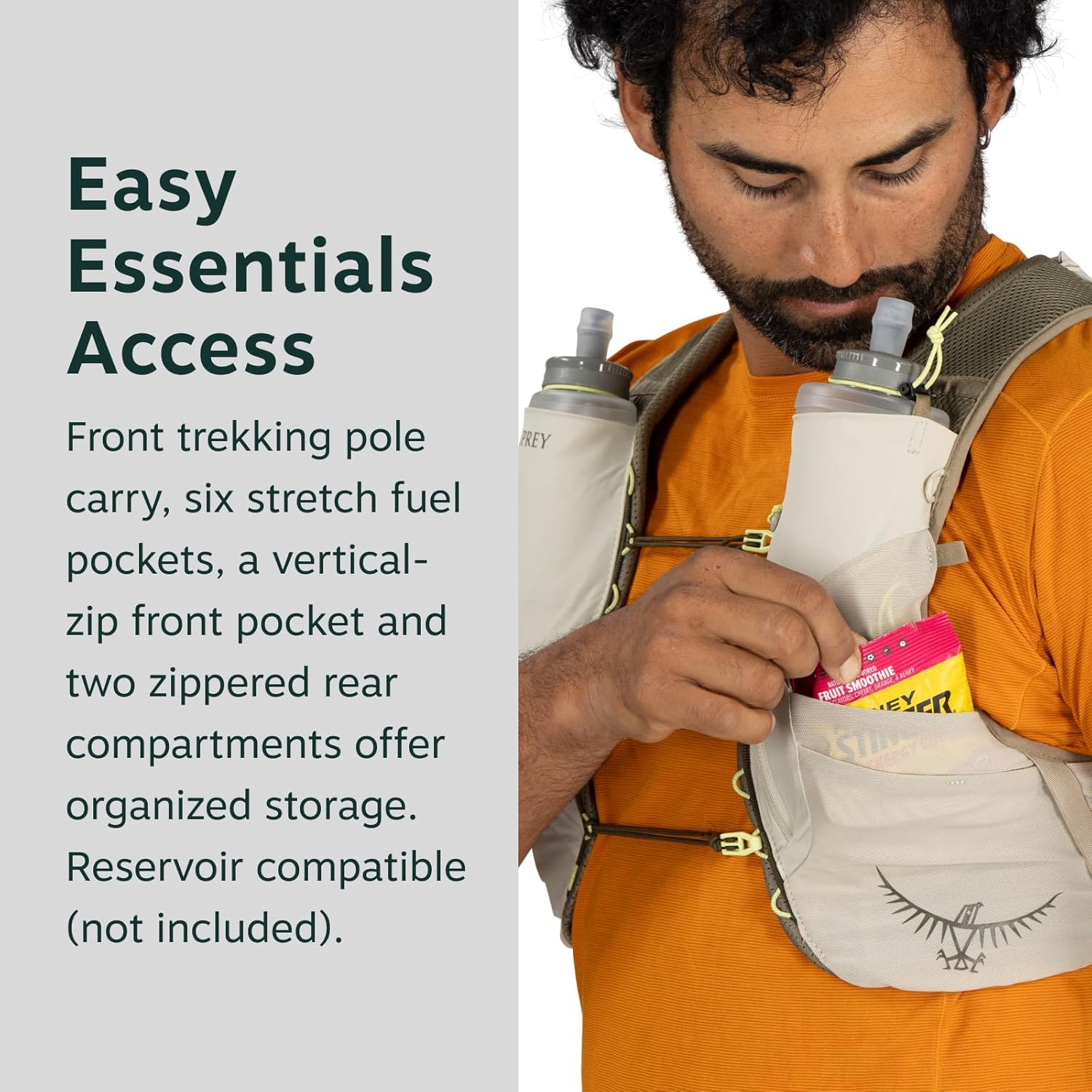
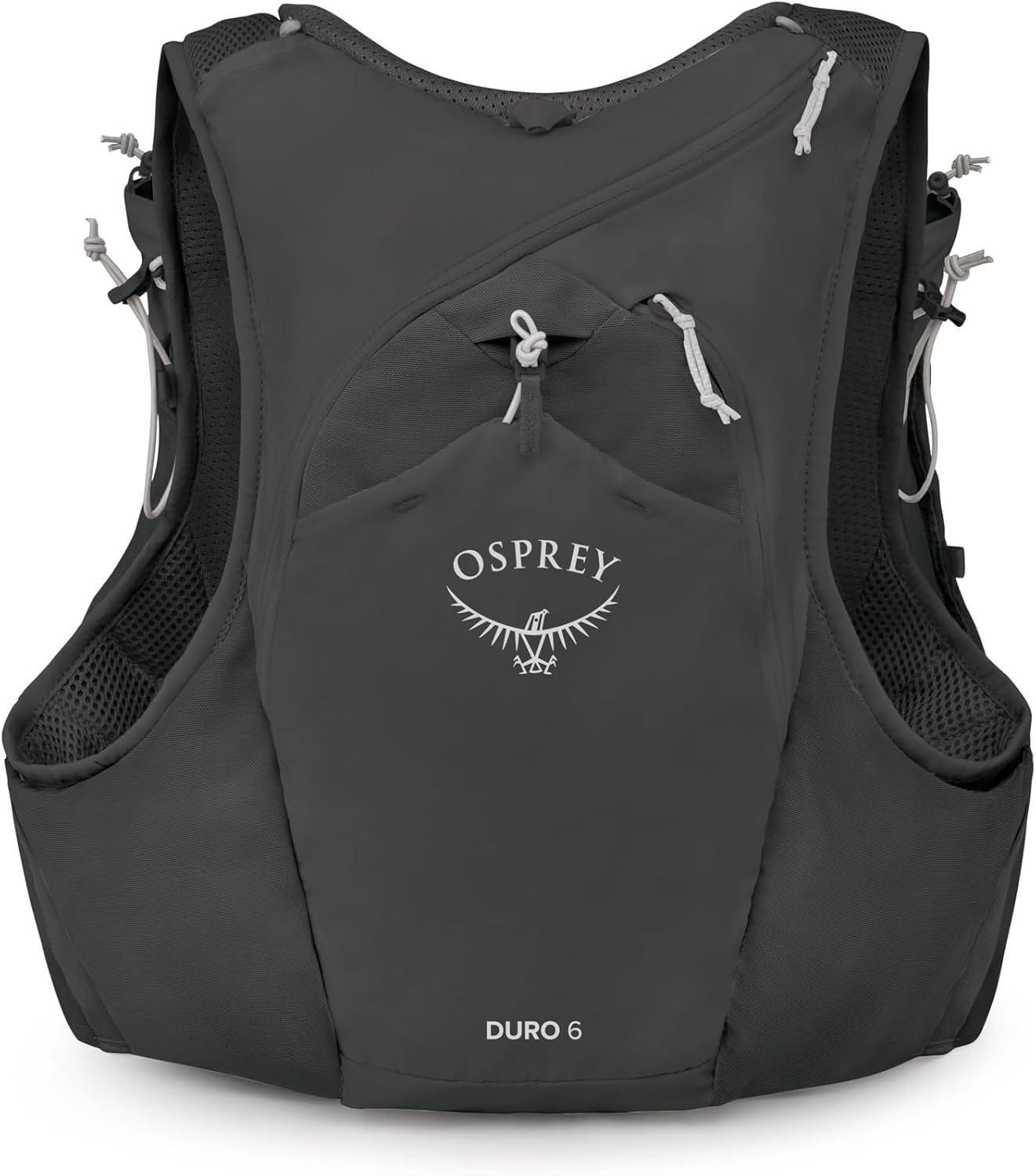
The first thing I look for in a hydration vest is whether it disappears once it’s on: no bouncing, no weird pressure points, no constant fiddling with straps. This one is easy to dial in—tight enough to stay stable on descents, relaxed enough to breathe on climbs. The storage layout feels designed for motion: quick-grab pockets up front for fuel and small essentials, plus room for the bigger “just in case” items you still want on longer outings.
Field Tests: Where It Shined Outdoors
• Rolling singletrack (bounce test): On the kind of trail that makes you dodge rocks without thinking, the vest stayed put. Once adjusted, it felt steady—like part of my torso instead of a separate object trying to keep up.
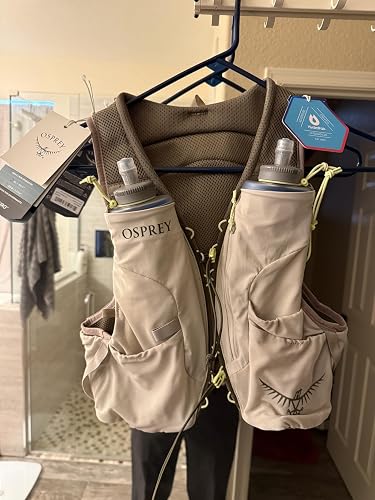
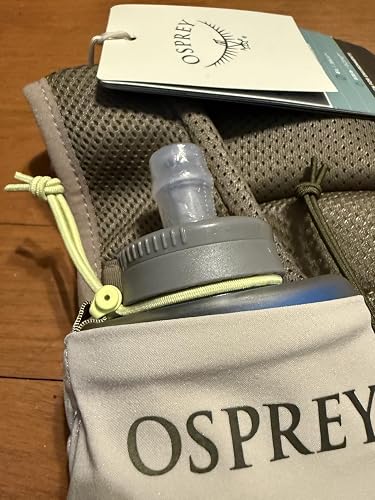
• Long climb into heat (sip access): When the sun started doing its thing, being able to drink without breaking stride mattered. The front-carry setup made hydration feel automatic—sip, cap, keep moving—no pack-off pit stops.
• Aid-station simulation (quick stash, quick grab): I tested it the way you’d treat it on an event day: grab a gel, tuck away a wrapper, stash gloves, pull them back out ten minutes later. The pockets are easy to use while moving, which is the difference between “I brought it” and “I actually used it.”
• Windy ridge + descent (no-rattle reality check): On a breezy ridge and a faster downhill, loose straps and clanky gear can get annoying fast. With this vest, things stayed quiet and close—less distraction, more focus on footing and flow.
What I Loved
• Stability that builds confidence: Once you get the fit right, it rides close and predictable—exactly what you want when the trail gets technical.
• Easy access to the essentials: The front pockets make it simple to manage water and fuel without stopping, which keeps your momentum (and your motivation) intact.
• Smart storage without the bulk: It carries what you need for most outings—snacks, phone/keys, a light layer—without feeling like you packed for an expedition.
• Comfort that lasts past the “fun miles”: On longer days, little annoyances get louder. This vest stayed comfortable enough that I didn’t spend the second half of the run thinking about my gear.
What to Know Before You Buy
• Fit is everything: Spend a minute adjusting before you hit the trail. Any hydration vest will feel “off” if it’s too loose, and great if it’s snug in the right places.
• Plan your water strategy: Decide whether you prefer front bottles, a reservoir, or a mix (and what your routes support). The best setup is the one you’ll actually drink from consistently.
• Expect some trail grime: Sweat, dust, and salt happen. A quick rinse and air-dry routine keeps it feeling fresh and prevents that “post-run science project” smell from moving in.
Final Verdict
A good hydration vest turns “I should probably drink” into “I just did,” and that’s how you stack better trail miles. This one delivers that grab-and-go convenience with the stability you need when the terrain gets rowdy. If you’re building a kit for longer runs, hotter hikes, or your first taste of trail events, it’s an easy upgrade that pays you back in comfort and consistency.











Nicholas Havelock –
C. Keefer –
D. R. –
Wakon –
RockS76 –
Chris –
Mr.Mojo in CO. –
Bright –